
10 Financial Benefits of Downsizing Your Home After Age 60
If you are over 60 and starting to wonder whether your home is still worth the money it costs to maintain, you are not alone.
Maybe your children have moved out. Perhaps you have more bedrooms than you need. Or maybe you are retired, living on Social Security, and looking for ways to make your monthly budget more comfortable.
Whatever your situation, there is one financial move worth considering: downsizing your home.
Downsizing means moving from a larger home to a smaller, less expensive property that better fits your current lifestyle.
That might mean selling a four-bedroom house and buying a two-bedroom condo. It could mean moving from a large suburban home to a smaller house in the same neighborhood.
Some retirees even choose a manufactured home or a smaller property in a more affordable town.
The goal is simple. Spend less money on housing without giving up the comfort, independence, and security you want in retirement.
And the benefits can go beyond having fewer rooms to clean.
A smaller home may help you lower your property taxes, reduce utility bills, save on repairs, and free up money tied up in your property. Depending on your circumstances, it could also give you more financial flexibility during retirement.
Of course, downsizing is not automatically the right choice for everyone. Moving expenses, real estate commissions, mortgage costs, and the price of your next home can eat into your savings.
That is why it pays to look at the complete financial picture before making a decision.
If you are a senior in the United States thinking about simplifying your life and making your retirement dollars go further, here are 10 financial benefits of downsizing your home after age 60 that deserve your attention.
1. You Could Unlock Thousands of Dollars in Home Equity
One of the biggest financial benefits of downsizing after 60 is the opportunity to turn some of your home equity into cash.

Home equity is the difference between what your home is worth and what you still owe on your mortgage.
For example, imagine you own a home worth $450,000 and have $50,000 left on your mortgage. Your home equity is approximately $400,000 before selling expenses and other costs.
That is a substantial amount of wealth. But while it remains tied up in your home, you cannot easily use it to pay everyday bills, travel, or cover unexpected expenses.
Selling your home and purchasing a less expensive property could change that.
Here is how downsizing could work
Suppose you sell your current home for $450,000 and purchase a smaller home for $275,000.
The difference is $175,000 before accounting for your remaining mortgage, closing costs, moving expenses, taxes, and any repairs or renovations.
Depending on your financial situation, you could walk away with a significant amount of money after completing the move.
That money might help you:
- Build an emergency fund for unexpected expenses.
- Pay off high-interest credit card debt.
- Increase your retirement savings.
- Cover home modifications or future care needs.
- Set aside money for family visits and travel.
According to Fidelity, your housing decision can have a major effect on your retirement finances because it influences expenses such as property taxes, insurance, utilities, and maintenance.
However, remember that the sale price is not the same as the amount you will keep. Your mortgage payoff, selling costs, and purchase expenses all matter.
The bottom line: If you have substantial equity in a large home, downsizing may give you access to money that can make retirement more financially comfortable.
Discover secrets seniors use to avoid property tax.
2. You Could Lower Your Monthly Housing Expenses
Housing is one of the biggest expenses many retirees face. Even if you have paid off your mortgage, owning a home is not free.
You still need to pay property taxes, homeowners insurance, utilities, repairs, and other bills.
If you are living in a four-bedroom house but only regularly use two bedrooms, you might be spending money to maintain space you no longer need.
Moving to a smaller, more affordable property could help reduce those expenses.
Consider a hypothetical example.
A homeowner spends $2,200 monthly on mortgage payments, property taxes, insurance, utilities, and routine maintenance. After downsizing, those combined expenses fall to $1,350 per month.
That would mean a potential saving of $850 every month, or $10,200 per year.
These figures are only an illustration. Your actual savings could be higher or lower depending on your current home, the property you choose, and local housing costs.
The important thing is to compare your total housing expenses rather than focusing only on the purchase price.
For instance, a smaller home in an expensive neighborhood might cost more to own than a larger home in a less expensive area.
Likewise, a condominium might have lower maintenance responsibilities but charge substantial monthly association fees.
Before moving, add up the costs of both properties. Include mortgage payments, taxes, insurance, utilities, maintenance, and any homeowners association fees.
If you can make a meaningful reduction without sacrificing your quality of life, downsizing may give your retirement budget some breathing room.
The bottom line: Lower housing expenses can leave you with more money for groceries, healthcare, hobbies, and the other things you enjoy.
3. You Could Pay Less in Property Taxes
Property taxes can become a serious expense for older homeowners, particularly in areas where property values and tax bills have increased over the years.

The challenge is that your property taxes do not necessarily decrease just because you retire or your income drops.
You may have bought your home decades ago for a much lower price. Today, its assessed value could be substantially higher.
Downsizing to a less expensive property may help you reduce this annual expense.
For example, imagine your current home has an annual property tax bill of $5,000. You move to a smaller property with a tax bill of $2,800.
That would save you $2,200 per year, assuming the bills remain at those levels.
Over five years, the difference would amount to $11,000.
Of course, property taxes depend on more than the size or purchase price of a home. Local tax rates, assessed values, exemptions, and state laws all play a role.
A smaller property in a high-tax location could still cost more in property taxes than a larger property somewhere else.
Do not overlook senior property tax relief
Before you sell your current home, check whether your state, county, or city offers property tax relief for older homeowners.
Depending on where you live, you may qualify for a senior exemption, a tax reduction, a homestead benefit, or a property tax deferral program.
Eligibility rules vary. Some programs have age requirements, income limits, residency rules, or restrictions on the amount of relief available.
You may discover that staying in your current home and applying for a tax benefit is more affordable than moving.
You can start by contacting your county tax assessor or local tax collector.
For additional guidance, the AARP Foundation Property Tax-Aide provides information about property tax relief resources.
The bottom line: Downsizing may reduce your property tax bill, but compare that potential saving with the relief you could receive by staying where you are.
4. You Could Save Money on Utility Bills
Think about how much you spend every month on electricity, natural gas, water, and other household utilities.

If you live in a large house, you may be paying to heat or cool several rooms you rarely use.
During the summer, your air conditioner may have to work hard to keep the entire house comfortable. In winter, your heating system may need to warm multiple floors and large living spaces.
A smaller home can reduce the amount of energy needed to maintain a comfortable temperature.
That could mean lower electricity and heating bills, particularly if your current property has poor insulation, older windows, or an inefficient heating and cooling system.
Water expenses may also fall if you have fewer bathrooms, a smaller yard, or less outdoor space to maintain.
A simple example
Imagine your current home costs $280 per month for electricity, gas, and water.
After moving to a smaller, more energy-efficient property, those bills average $175 per month.
Your potential savings would be $105 monthly, or $1,260 annually.
Again, these numbers are examples, not guaranteed savings.
Your climate matters. A small home in a hot state may still have high cooling expenses. A poorly insulated smaller house could also cost more to heat than a well-insulated larger one.
When comparing properties, ask about average utility bills and check the energy efficiency of major appliances, windows, insulation, and heating and cooling equipment.
A modest home with good insulation and efficient systems may be a better financial choice than a slightly larger home with outdated equipment.
The bottom line: A smaller, energy-efficient home could lower your monthly utility bills and help stretch your retirement income.
5. You Could Spend Less on Home Repairs and Maintenance
Owning a house means dealing with repairs sooner or later.

The roof may need replacing. The water heater might stop working. A plumbing leak could appear without warning. Then there is the driveway, the fence, the lawn, and all those little jobs that seem to arrive at the worst possible time.
These costs can be particularly stressful when you are living on a fixed retirement income.
A smaller property may reduce the number of things you need to maintain.
There may be less roofing, fewer windows, a smaller yard, fewer bathrooms, and less outdoor equipment to repair or replace.
If you move into a condominium, some exterior maintenance may be handled by the homeowners association. If you choose a rental, your landlord may be responsible for certain repairs under the lease and applicable law.
Why this matters after age 60
Imagine your current home needs a $12,000 roof replacement within the next few years.
You also expect to spend money on exterior painting, tree trimming, and repairs to an aging heating system.
Moving to a newer, smaller property could reduce some of those future expenses, although you would still need to inspect the new home carefully.
You may also avoid spending thousands of dollars renovating your current home simply to make it more manageable as you age.
Before buying, ask for a professional home inspection and review the likely maintenance needs of the property.
The bottom line: Lower maintenance expenses can protect your savings from unexpected repair bills and reduce the pressure on your retirement budget.
Check out these easy part time jobs for seniors in America that pay well.
6. You Could Reduce Your Homeowners Insurance Premiums
Homeowners insurance is another expense that can take a larger bite out of your retirement income than you might expect.
You need insurance to protect your property against covered losses, but premiums can vary considerably depending on the home’s value, location, construction, coverage limits, and claims history.
If you move from a large, expensive home to a smaller property, you may be able to lower your insurance costs.
A smaller home may require less dwelling coverage because the cost to rebuild it could be lower. You may also have fewer structures to insure, depending on what your current property includes.
Location matters, too. A home in an area exposed to hurricanes, wildfires, severe storms, or other costly risks may carry higher premiums than a comparable property elsewhere.
That is why downsizing can be an opportunity to reconsider not only how much home you own, but also where you live.
Consider this example
Suppose your current homeowners insurance premium is $2,400 per year.
You move to a smaller home and obtain comparable coverage for $1,600 per year.
That would save you $800 annually.
Over ten years, the difference would add up to $8,000 before accounting for future premium increases or changes in coverage.
Your actual savings will depend on the quotes you receive. A smaller house does not guarantee cheaper insurance, especially if you move to a higher-risk area.
You should also consider deductibles, exclusions, liability protection, and whether the policy covers the replacement cost of your belongings.
If you move into a condominium, review the association’s master insurance policy to understand what it covers and what you must insure yourself. If you rent, renters insurance may be appropriate for protecting your belongings and liability.
Before committing to a new property, request an insurance quote using the actual address.
The bottom line: A smaller home in an affordable insurance market may reduce one of the recurring expenses that can quietly drain your retirement savings.
7. You Could Eliminate Your Mortgage or Lower Your Monthly Payment
If you still have a mortgage after age 60, your monthly payment may be one of the biggest pressures on your budget.

You may be receiving Social Security benefits, drawing from a retirement account, or living on a combination of pension income and savings. A large mortgage payment can leave less money for everything else.
Downsizing may give you an opportunity to reduce that burden.
Suppose you sell a larger home and use the proceeds to purchase a less expensive property without borrowing money. If you can do that after accounting for your existing mortgage and transaction costs, you may eliminate your monthly mortgage payment altogether.
That can make a meaningful difference during retirement.
Even if you cannot buy your next home outright, a smaller mortgage may reduce your monthly payment and the total amount of interest you pay over time.
Imagine the difference
Let’s say your current mortgage payment is $1,600 per month.
After downsizing, you purchase a smaller home and take out a mortgage with a payment of $700 per month.
Your monthly payment would fall by $900, giving you $10,800 more per year before considering differences in other housing expenses.
You could use that extra money to replenish your emergency fund, pay medical bills, or save for future expenses.
However, buying a smaller home does not automatically mean you will qualify for a smaller mortgage payment. Interest rates, your credit profile, the size of your down payment, and the terms of your new loan all matter.
If you already own your current home outright, do not assume that taking out a new mortgage makes financial sense simply because the next property is smaller.
Compare the cost of staying put with the total cost of buying again.
Also remember that property taxes, insurance, utilities, and maintenance continue even after your mortgage is paid off.
The bottom line: If you can substantially reduce or eliminate your mortgage, downsizing could make your retirement budget more predictable and manageable.
8. You Could Reduce the Risk of Going Into Debt During Retirement
Unexpected expenses can be difficult at any age. But they can be especially challenging after retirement if your income is relatively fixed.

A broken appliance, a major car repair, an insurance deductible, or an unexpected medical bill can quickly put pressure on your savings.
When most of your monthly income is already committed to housing, you may have little room to handle these surprises.
That is where downsizing may help.
If you reduce your regular housing expenses, you can create more space in your budget for savings. Instead of spending nearly every dollar you receive, you may be able to set aside money each month for future needs.
For example, imagine downsizing reduces your total monthly housing costs by $500.
If you consistently save that amount, you could build a $6,000 reserve in one year, assuming you do not need to withdraw any of it.
Over three years, that would amount to $18,000 before interest or investment returns.
This does not mean downsizing will automatically prevent debt. Your income, spending habits, existing debts, and unexpected expenses all influence your financial stability.
But lower recurring expenses can give you more flexibility when life does not go according to plan.
Put the savings to work
Once you move, consider directing part of your monthly savings toward a dedicated emergency fund.
A good starting point is to estimate your essential monthly expenses and build a reserve that fits your circumstances. Many retirees benefit from keeping money readily accessible because large, irregular expenses can arise at any time.
You might also use part of the savings to pay down high-interest debt.
For instance, eliminating a credit card balance with a high interest rate may improve your finances more reliably than putting all your extra cash into a speculative investment.
Just avoid spending every dollar released by the home sale. You still need enough money to cover future housing, healthcare, and other retirement costs.
The bottom line: Downsizing can create breathing room in your budget, making it easier to handle emergencies without relying on expensive credit cards or loans.
9. You Could Free Up More Money for Travel, Hobbies, and Family
Retirement should not be all about paying bills.
After decades of working, raising a family, and meeting financial responsibilities, you may want to spend more time doing the things you enjoy.

Perhaps you want to visit your grandchildren more often. Maybe you have always wanted to take a road trip across the country. You might want to join a golf club, take art classes, or spend more time with friends.
The problem is that these activities cost money.
If a large home consumes too much of your monthly income, you may find yourself putting off the experiences you have looked forward to for years.
Downsizing could help change that.
Suppose moving to a smaller property saves you $650 per month in combined housing costs.
That is $7,800 a year that could potentially go toward travel, hobbies, family visits, or other priorities.
You do not have to spend it all, of course. You might decide to save half and use the rest for things that make retirement more enjoyable.
The important point is that reducing housing expenses can give you more control over your money.
You may also have fewer hidden lifestyle expenses
A larger property can come with costs beyond the mortgage, taxes, and utilities.
You may pay for lawn care, snow removal, pest control, pool maintenance, cleaning services, or equipment to maintain the yard.
A smaller property may reduce some of these costs, leaving you with more time and money for the activities that matter to you.
Still, be careful not to trade your current expenses for a new set of expensive fees. A retirement community with premium amenities may charge substantial monthly dues, even if the home itself is smaller.
Work out your likely annual housing costs before deciding how much extra money you will have available.
The bottom line: Downsizing may allow you to enjoy more of retirement without constantly worrying about whether you can afford the next trip or family gathering.
10. You Could Make Future Housing and Care Costs Easier to Manage
One financial benefit of downsizing that deserves more attention is the opportunity to choose a home that fits your needs as you grow older.
A large, multistory house might have been ideal when your children were young. But climbing stairs, maintaining a large yard, and managing multiple bathrooms may become less appealing over time.
You might eventually need to pay for help with household chores, yard work, or routine maintenance.
If your current home becomes difficult to manage, you could face additional expenses simply to continue living there comfortably.
Downsizing gives you a chance to look for a property that is easier to navigate and maintain.
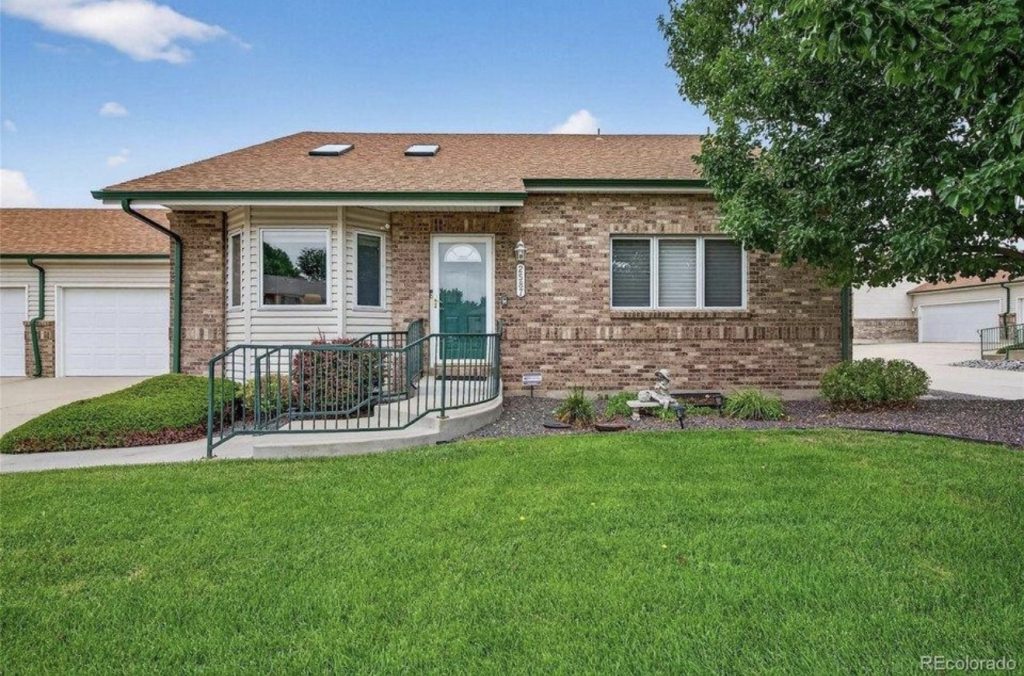
For example, you might choose a single-story house with a bedroom and bathroom on the main floor, a walk-in shower, fewer steps at the entrance, and nearby medical services.
These features can help reduce the need for expensive modifications later, although they cannot eliminate every future care expense.
Location can make a financial difference
Suppose your current home is far from your doctor, grocery store, and family members who help you with errands.
You may spend more on transportation or paid assistance than you would in a more convenient location.
Moving to a smaller property near essential services could reduce some of those costs.
Living closer to family may also make it easier to share certain responsibilities, provided everyone is comfortable with the arrangement.
Another option is a smaller home in a community that offers services you genuinely need. But compare the fees carefully. Some retirement communities have significant monthly charges, entrance fees, or additional costs for care.
A cheaper-looking home may not be the least expensive option once those expenses are included.
The goal is to select housing that works for both your current budget and your likely future needs.
The U.S. Senate Special Committee on Aging highlights the importance of weighing maintenance, taxes, utilities, accessibility, and access to services when older adults make housing decisions.
The bottom line: A smaller, more practical home may help you manage future housing expenses while making everyday life easier.
How Much Money Could You Actually Save by Downsizing?
The savings can vary widely. Some homeowners may free up substantial cash, while others may discover that moving costs outweigh the benefits.
Here is a simple illustration of how lower recurring expenses could add up.
Illustrative monthly savings after downsizing
Mortgage payment reduction
$500
Property tax savings
$150
Utility bill savings
$100
Insurance savings
$50
Maintenance savings
$150
Potential total monthly savings
Before new housing fees and moving costs
$950
Potential annual savings
$11,400
These are hypothetical numbers, not average savings or a promise of what you will receive. The mortgage reduction, in particular, will depend on your existing loan and whether you need a new one.
Your results could be very different. Someone with a paid-off home and low property taxes might save much less each month. Someone who moves to a substantially less expensive area and eliminates a mortgage might save considerably more.
The best approach is to calculate your own numbers before making a decision.
What to Consider Before Downsizing After Age 60
Downsizing can offer financial benefits, but selling a home and buying another property can be expensive. Before making a move, consider the following.
1. Calculate your selling and moving costs
You may need to pay real estate agent commissions, closing costs, moving company fees, storage charges, and expenses for preparing your home for sale.
You might also need to pay for repairs, cleaning, or improvements before listing your property.
Get estimates before deciding how much money you will have left after the move.
2. Check the tax implications
Selling your home may result in a capital gain.
Under current federal tax rules, eligible homeowners may exclude up to $250,000 of gain from the sale of their main home, or up to $500,000 for eligible married couples filing jointly. Ownership, use, and other requirements apply, and some sellers will owe tax on part of their gain.
The exclusion generally applies to the gain, not the total selling price.
Review the details with the IRS or a qualified tax professional before you sell. State tax rules may differ.
3. Compare the full cost of the new property
Do not assume a smaller home is automatically cheaper.
Include mortgage payments or rent, property taxes, insurance, utilities, maintenance, association dues, and transportation costs.
A condominium with high monthly fees may cost more to own than a modest detached home.
4. Consider whether staying put might be cheaper
If your mortgage is paid off, your property taxes are low, and your house needs few repairs, staying in your current home could be the more affordable option.
You might be able to save money by improving energy efficiency, applying for property tax relief, or reducing maintenance expenses.
Compare those possibilities with the cost of moving.
5. Protect your retirement savings
If you free up money from a home sale, make a plan for it.
Set aside money for emergencies and future healthcare needs. Consider paying down expensive debt or strengthening your retirement savings before increasing discretionary spending.
If you need advice on how a home sale could affect your retirement plan, consult a qualified financial planner or tax professional.
Frequently Asked Questions
Is downsizing a good idea for seniors over 60?
Downsizing can be a good idea if your current home is more expensive to maintain than you need, or if you want to free up home equity for retirement. It may reduce property taxes, utilities, insurance, and repair costs. However, selling expenses and the cost of your next home can offset those savings. Compare the total cost of staying versus moving before making a decision.
How much money can you save by downsizing your home?
Your savings depend on your current housing expenses, the value of your home, the price of your next property, and the costs of moving. You might save a few hundred dollars monthly or substantially more if you reduce your mortgage payment. Calculate your potential savings using actual property prices, insurance quotes, taxes, and maintenance estimates rather than relying on a general average.
Should retirees buy a smaller home or rent after selling their house?
Buying a smaller home may offer more housing stability and allow you to build equity. Renting may eliminate some maintenance responsibilities and give you more flexibility to relocate. However, rent can increase over time, and buying involves closing costs, taxes, insurance, and repairs. Compare the long-term costs of both options alongside your retirement income and savings.
Do seniors have to pay capital gains tax when selling their home?
Not necessarily. Eligible homeowners may qualify for the federal home sale exclusion of up to $250,000 in capital gains, or up to $500,000 for eligible married couples filing jointly. You must meet the applicable IRS requirements, including ownership and use tests, and other rules may apply. If your profit exceeds the exclusion or you do not qualify, some of your gain may be taxable. Consult a tax professional about your circumstances.
What is the best age to downsize your home?
There is no single best age to downsize. Some people benefit from moving in their early 60s, while others prefer to wait until their 70s or later. The right time depends on your housing costs, health, retirement income, home maintenance needs, and personal preferences. Downsizing before a major repair or accessibility issue arises may give you more choices, but staying put can also make financial sense if your current home is affordable.
Final Thoughts
Downsizing your home after age 60 is not just about moving into fewer rooms. It is about making your housing work for the life you want to live in retirement.
For some seniors, the biggest benefit is freeing up home equity.
For others, it is paying less in property taxes, avoiding expensive repairs, or reducing a mortgage payment that takes up too much of their monthly income.
Those savings can make a real difference when you are living on Social Security, a pension, retirement account withdrawals, or a combination of income sources.
But remember, a smaller home is not always a cheaper home. Selling costs, taxes, association fees, and the price of your next property can change the financial picture.
Take your time. Compare your options, calculate the numbers, and consider whether you could achieve similar savings by staying where you are.
If downsizing genuinely lowers your long-term expenses and leaves you with enough money for emergencies, it could be one of the most useful financial decisions you make in retirement.
Your home should support your retirement, not consume so much of your money that you cannot enjoy it.